Exercise Rehabilitation and Physical Therapy in the Toronto Annex
Recovering from an injury, managing a chronic condition, or dealing with ongoing aches often involves more than easing symptoms. Exercise rehabilitation helps you rebuild the strength, mobility, and confidence needed to return to the daily activities, work, exercise, and hobbies that matter to you.
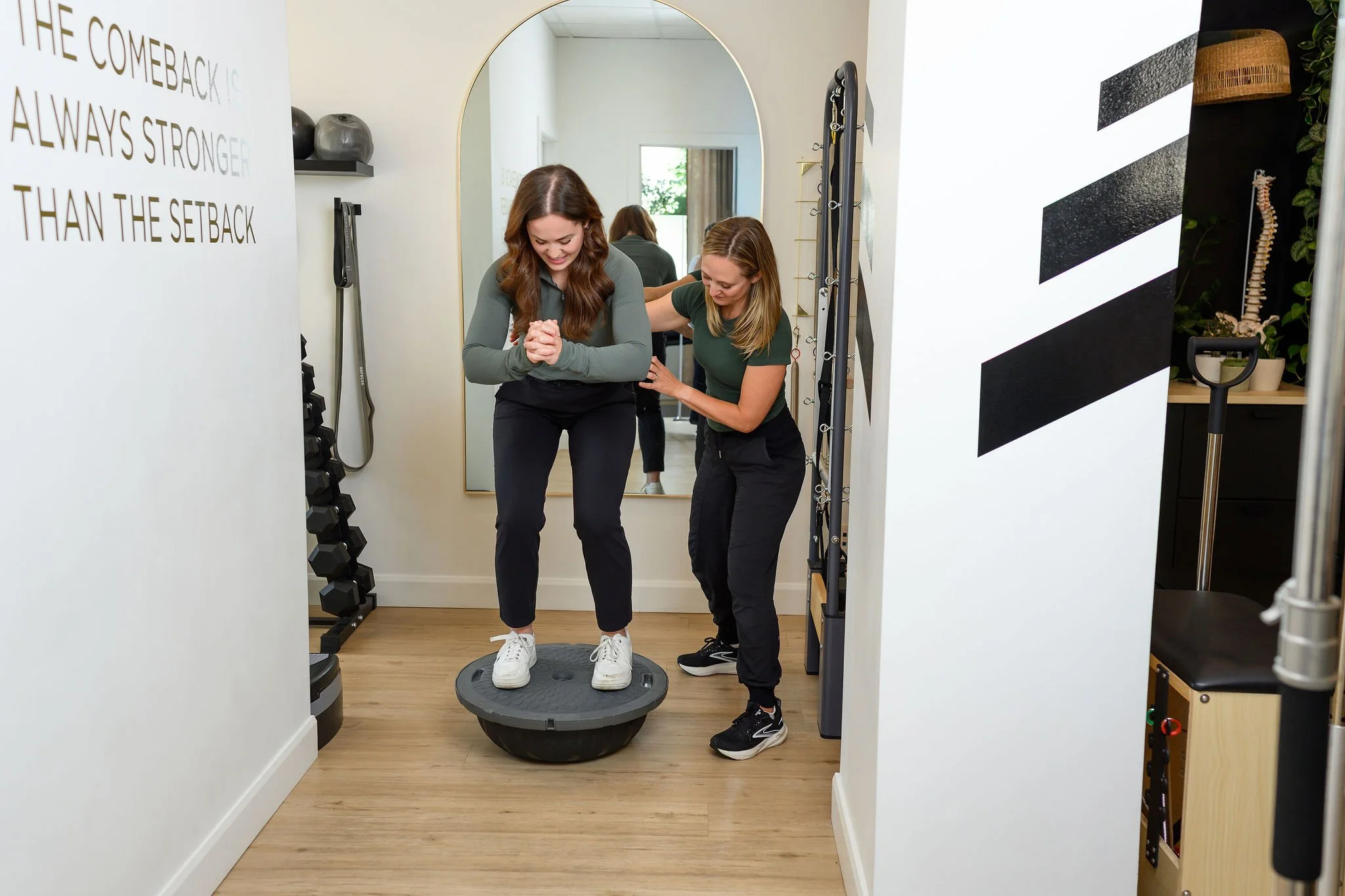
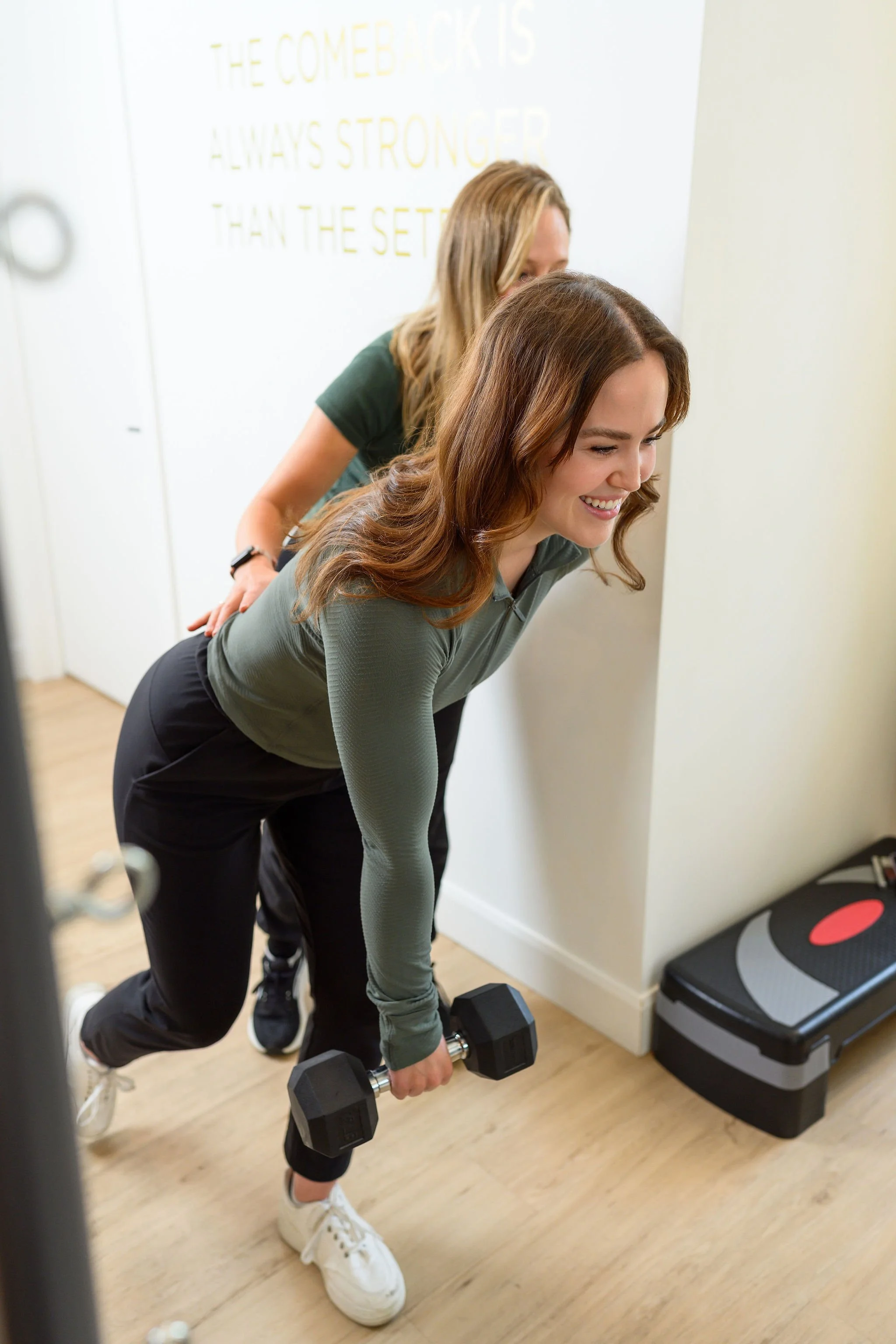
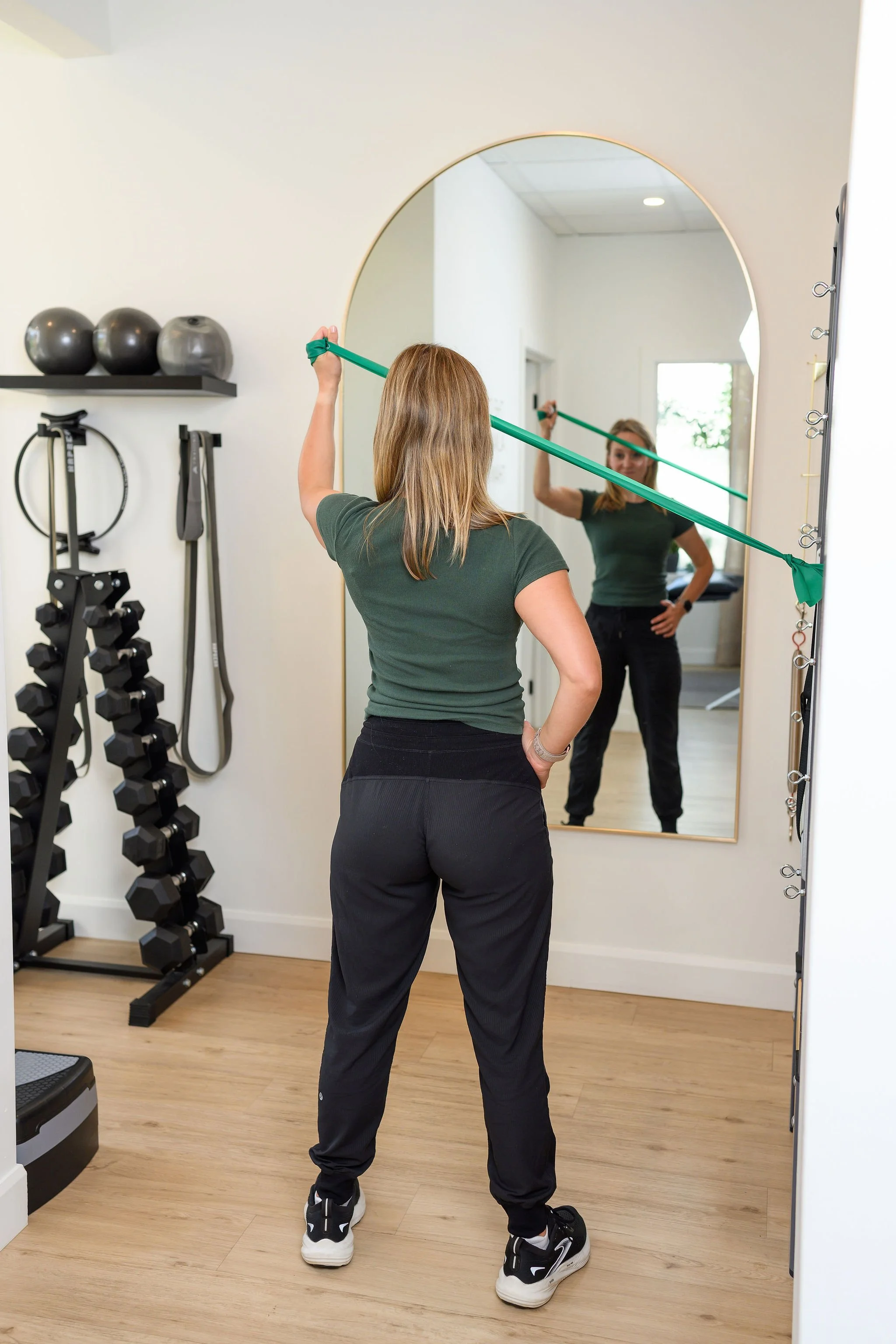
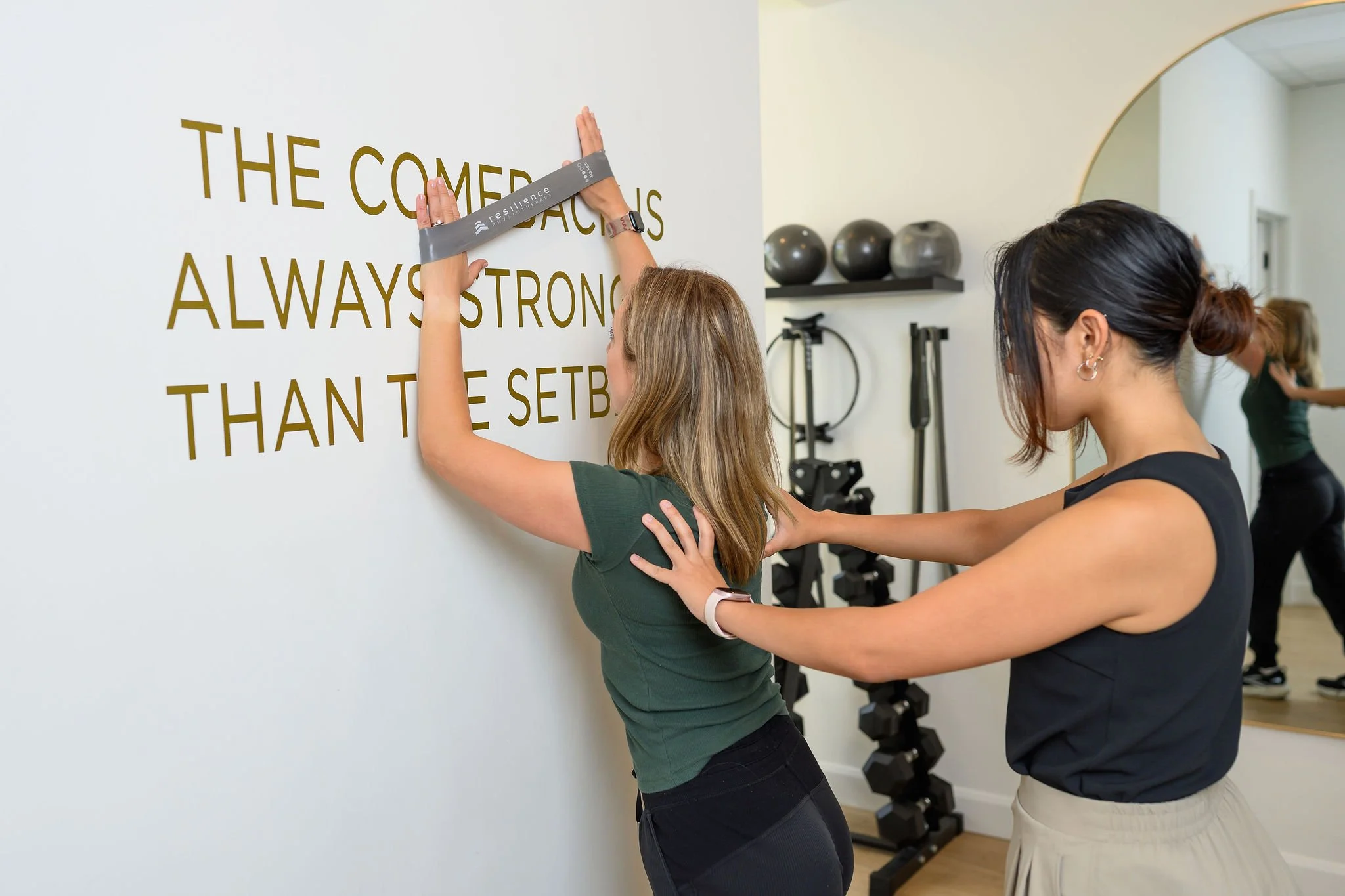
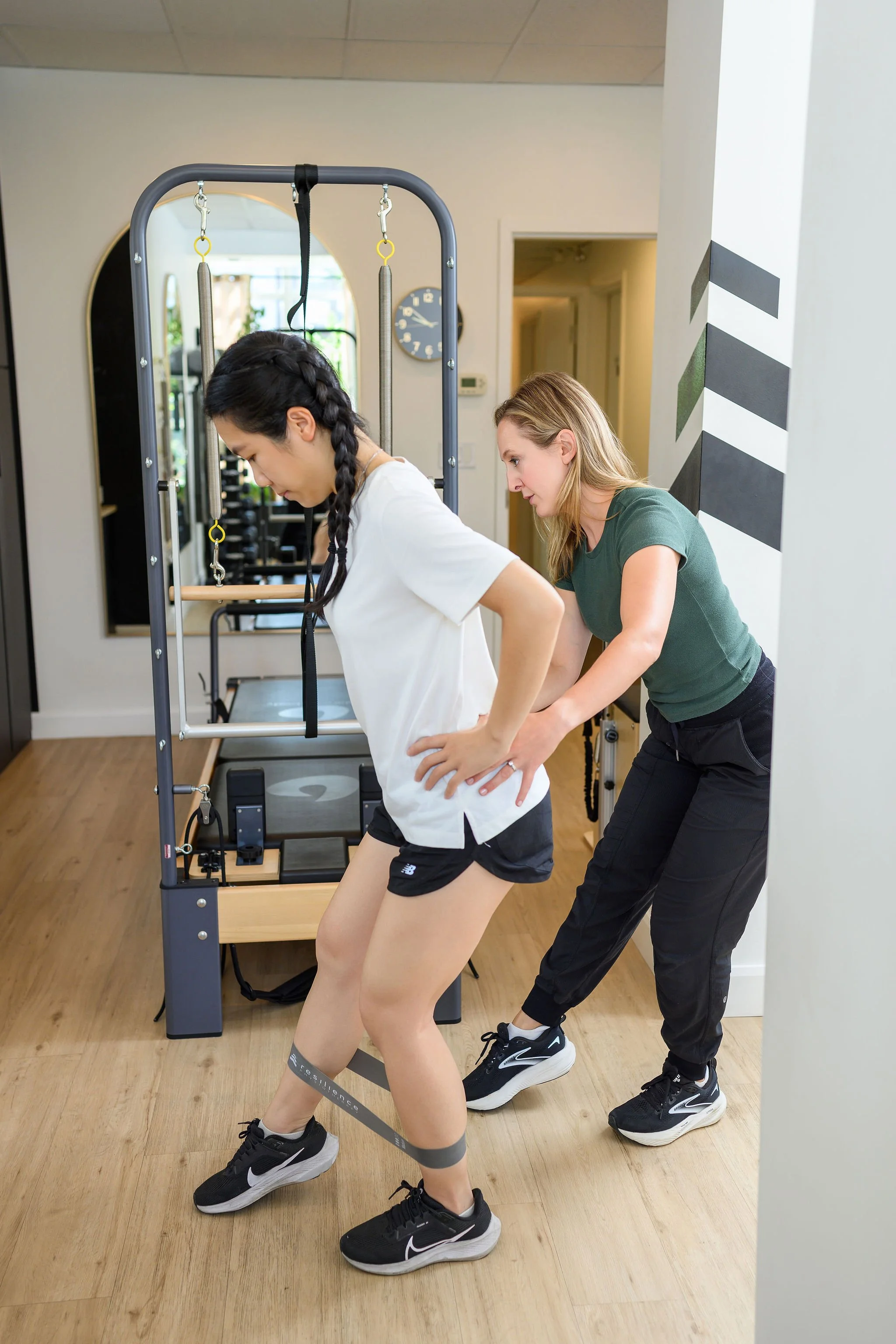
At Resilience Physiotherapy in the Toronto Annex, exercise rehabilitation is a one-on-one, movement-based approach to physiotherapy. After assessing your symptoms, movement, and goals, your physiotherapist develops a progressive exercise plan that helps reduce pain, restore mobility, build strength, and improve confidence in the activities that matter to you.
What Is Exercise Rehabilitation and Why Is It Essential?
Exercise rehabilitation uses individualized movement, mobility, and strengthening exercises to address the physical changes that can follow pain, injury, surgery, or time away from activity. It works alongside the other elements of your physiotherapy plan, including hands-on treatment, education, and additional techniques recommended after your assessment.
As pain settles and movement becomes more comfortable, targeted exercise helps rebuild strength, coordination, mobility, and tolerance for the activities you need or enjoy. Your program progresses according to your starting point, goals, and response to treatment, whether you are returning to sport, getting through a more comfortable workday, or moving with greater confidence in daily life.
The Tangible Benefits of Active Physical Therapy
Core Pillars of The Resilience Recovery FrameworkTM
Phase 1: Restoring Mobility and Tissue Tolerances
Phase 2: Building Foundational Strength and Hypertrophy
Phase 3: Functional, Sport-Specific Integration
Conditions That Require Specialized Movement Therapy
Accessible Local Care Steps from the Spadina Subway Station
Resilience Physiotherapy is located at 738 Spadina Ave, Suite 200, a short walk south of Spadina Subway Station and next to the Miles Nadal Jewish Community Centre. Our Toronto Annex clinic is accessible for people coming from the University of Toronto, Yorkville, Little Italy, Harbord Village, and nearby neighbourhoods.
If you are looking for one-on-one guidance as you return to activity, your physiotherapist will assess your movement, discuss your goals, and create a rehabilitation plan that fits your needs.
Rebuild Your Movement Confidence Today
Frequently Asked Questions About Exercise Rehabilitation
-
Because these sessions are active, we recommend wearing comfortable athletic clothing that allows you to move freely, such as shorts, leggings, a t-shirt, and running shoes or supportive sneakers. This gives your physiotherapist a clear view of how you move during your assessment and exercises.
-
Exercise therapy is designed to help you move and build strength without unnecessarily aggravating your symptoms. It is normal to experience muscle fatigue or temporary discomfort when you begin using underactive muscles, and your physiotherapist monitors your response throughout treatment. If a movement causes a sharp or unsafe response, your therapist adjusts the load, range of motion, or setup to keep your program appropriate for you.
-
Yes. Exercise rehabilitation and manual therapy often work well together. Hands-on techniques can help reduce localized pain and restore joint mobility, while active exercise reinforces improved movement and helps you build the strength and control needed to maintain it.